
The Allure of High-Stakes Gambling
The excitement and thrill of high-stakes gambling create an irresistible allure for many individuals, especially when considering the best betting sites australia that offer such experiences. This phenomenon arises from the fundamental human desire for risk and reward. The adrenaline rush associated with placing large bets is comparable to the thrill of extreme sports. For some, the potential for significant monetary gain amplifies this appeal, leading players to chase the “big win” that could change their lives forever. Engaging in these high-stakes games fosters a sense of anticipation and hope, while the casino environment enhances this exhilarating experience with its vibrant sights and sounds.
Moreover, the atmosphere in high-stakes areas of casinos is often charged with energy and excitement, adding to the overall appeal. These spaces are meticulously designed to evoke feelings of exclusivity and luxury, attracting a demographic that revels in high-risk environments. The sounds of ringing slot machines, cheers from fellow players, and the sight of chips cascading create a euphoric experience. This sensory stimulation reinforces the attraction to high-stakes gambling, as it makes participants feel part of an elite club where the stakes are higher and the rewards potentially life-altering.
This blend of risk and sensory engagement plays a significant role in drawing players into the high-stakes gaming experience. Understanding the psychological triggers that compel players to participate in such activities illuminates the reasons behind their choices. These elements work in tandem to fuel a cycle of excitement, uncertainty, and ultimately, commitment to continued play, making it a compelling activity for many seeking thrill and potential fortune.
The Role of Cognitive Biases
Cognitive biases significantly influence decision-making in high-stakes casino games. One prevalent bias is the “gambler’s fallacy,” where players believe that past outcomes can influence future results. For instance, after experiencing a series of losses, a player might feel that a win is “due” and place larger bets, driven by the hope that luck will eventually change. This flawed reasoning can lead to perilous financial consequences, as it may prompt players to escalate their gambling without recognizing the inherent randomness of the games. The gambler’s fallacy illustrates how psychological misconceptions can lead to irrational behavior in the pursuit of a win.
Additionally, the “loss aversion” bias plays a crucial role in shaping players’ behaviors at high-stakes tables. Human beings are generally more sensitive to losses than to equivalent gains, which means that when players experience losses, they may engage in riskier behaviors to recover what they’ve lost. This psychological struggle creates a cycle where the need to win back lost money drives players to wager more than they intended, straying further from logical financial decisions and potentially leading to significant financial distress. Understanding how these biases manifest in gambling scenarios can help players navigate their experiences more effectively.
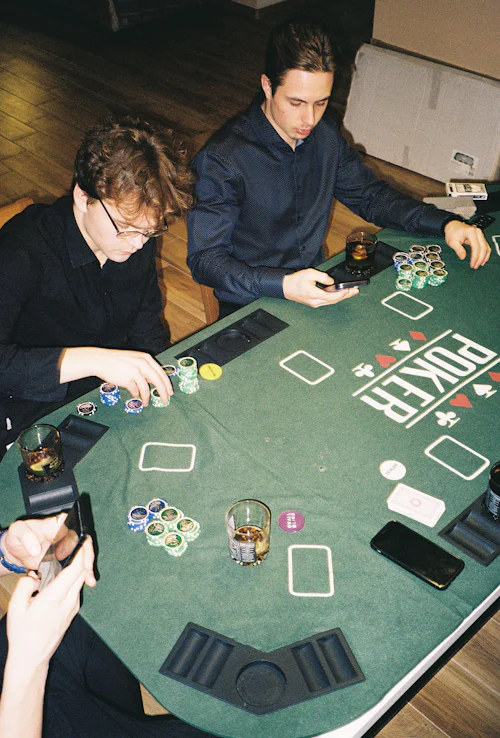
These cognitive biases simplify the complex nature of decision-making in gambling, highlighting the need for awareness and understanding of the intrinsic psychological mechanisms at play. By recognizing these biases, players can develop strategies to mitigate their effects, potentially leading to more responsible gambling behavior. Such understanding is essential for both players and gambling operators alike, as it can help foster a healthier gambling environment that encourages informed decision-making and self-awareness among players.
The Impact of Emotions on Decision-Making
Emotions profoundly influence decision-making processes in high-stakes casino games. Players often find themselves in a heightened state of arousal when participating in gambling activities, driven by excitement, anxiety, hope, and even fear. The emotional highs and lows associated with wagering large sums of money can cloud judgment, leading to impulsive decisions that may not align with a player’s financial well-being. For example, the thrill of winning can prompt a player to continue gambling long after they should have stopped, driven by emotional highs rather than logical reasoning.
Furthermore, feelings of stress and frustration can lead to decreased self-control and poor decision-making. Players who experience significant losses may become emotionally charged and reactive, prompting them to chase their losses. This emotional rollercoaster clouds judgment and can lead to decisions that prioritize immediate gratification over long-term financial stability. The interplay between emotion and decision-making highlights the challenges of maintaining control in high-stakes environments, as players must continuously battle their emotional reactions to gambling outcomes.
Additionally, the social environment within a casino can amplify emotional experiences. Engaging with others at the table can evoke both camaraderie and competition, further influencing individual behavior. The emotions expressed by fellow gamblers can be contagious, leading players to act in ways they might not typically choose when alone. Understanding the emotional dimension of gambling provides valuable insights for players seeking to maintain control during their high-stakes experiences, emphasizing the necessity for emotional awareness in responsible gambling.
The Psychology of Risk and Reward
The psychology of risk and reward is a vital component of high-stakes casino games, tapping into the basic human instinct to seek rewards while navigating risks. This dynamic is understood through the lens of behavioral economics, which examines how people make decisions based on perceived benefits and potential losses. The thrill of risking substantial amounts of money for the chance to win far more creates a powerful incentive for players to engage in high-stakes gambling experiences. This pursuit is often fueled by the promise of not just financial gain but also the social and psychological rewards that come with it.
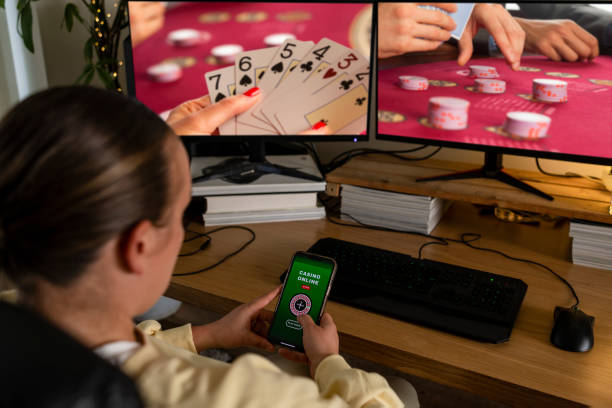
Central to this psychology is the concept of “expected value,” which evaluates the potential benefits of a gamble against the risks involved. Players often calculate their chances of winning based on their experiences and the odds presented by the games. However, this assessment can be skewed by emotional factors, leading individuals to underestimate the risks or overestimate their chances of winning. This miscalculation often propels players into making high-stakes bets based on optimism rather than sound logic, resulting in financially risky behavior that can be detrimental in the long run.
Furthermore, the concept of “near misses” can significantly affect players’ perceptions of risk and reward. When individuals come close to winning—such as missing a jackpot by one card or number—they may feel motivated to continue playing, believing that success is just around the corner. This phenomenon creates a false sense of hope that contributes to the persistence of high-stakes gambling behavior, making it challenging for players to walk away. Recognizing these psychological drivers can empower players to make more informed decisions about their involvement in high-stakes games, fostering a healthier gambling experience.
Exploring Responsible Gambling Practices
As the psychology behind high-stakes casino games unfolds, it’s essential to promote responsible gambling practices among players. Awareness of the psychological factors that influence gambling behavior can help individuals recognize when they need to step back. Casinos and gambling operators are increasingly implementing responsible gaming initiatives that aim to educate players about the risks associated with gambling and provide them with tools to manage their gaming habits effectively. These initiatives often include informational campaigns and resources to help players understand their psychological triggers.
Strategies such as setting limits on time and money spent gambling, seeking support from counseling services, and utilizing self-exclusion programs are vital for anyone participating in high-stakes gambling. These practices foster a healthier relationship with gambling, enabling players to enjoy the experience without succumbing to the psychological traps that can lead to detrimental outcomes. Awareness campaigns addressing cognitive biases, emotional decision-making, and the risks of high-stakes gambling are essential for fostering a culture of responsible gaming within the industry.
Moreover, understanding the psychological underpinnings of gambling behavior empowers individuals to make informed choices and reinforces their commitment to responsible gambling. By fostering an environment that prioritizes education and awareness, players can enjoy the thrill of high-stakes games while minimizing the risks associated with excessive gambling. Ultimately, creating a balanced approach to gambling can enhance the experience while safeguarding players’ well-being, ensuring that the excitement of the game does not overshadow the importance of personal responsibility.
